Neuroscience: Understanding Child Learning for Enhanced Educational Support
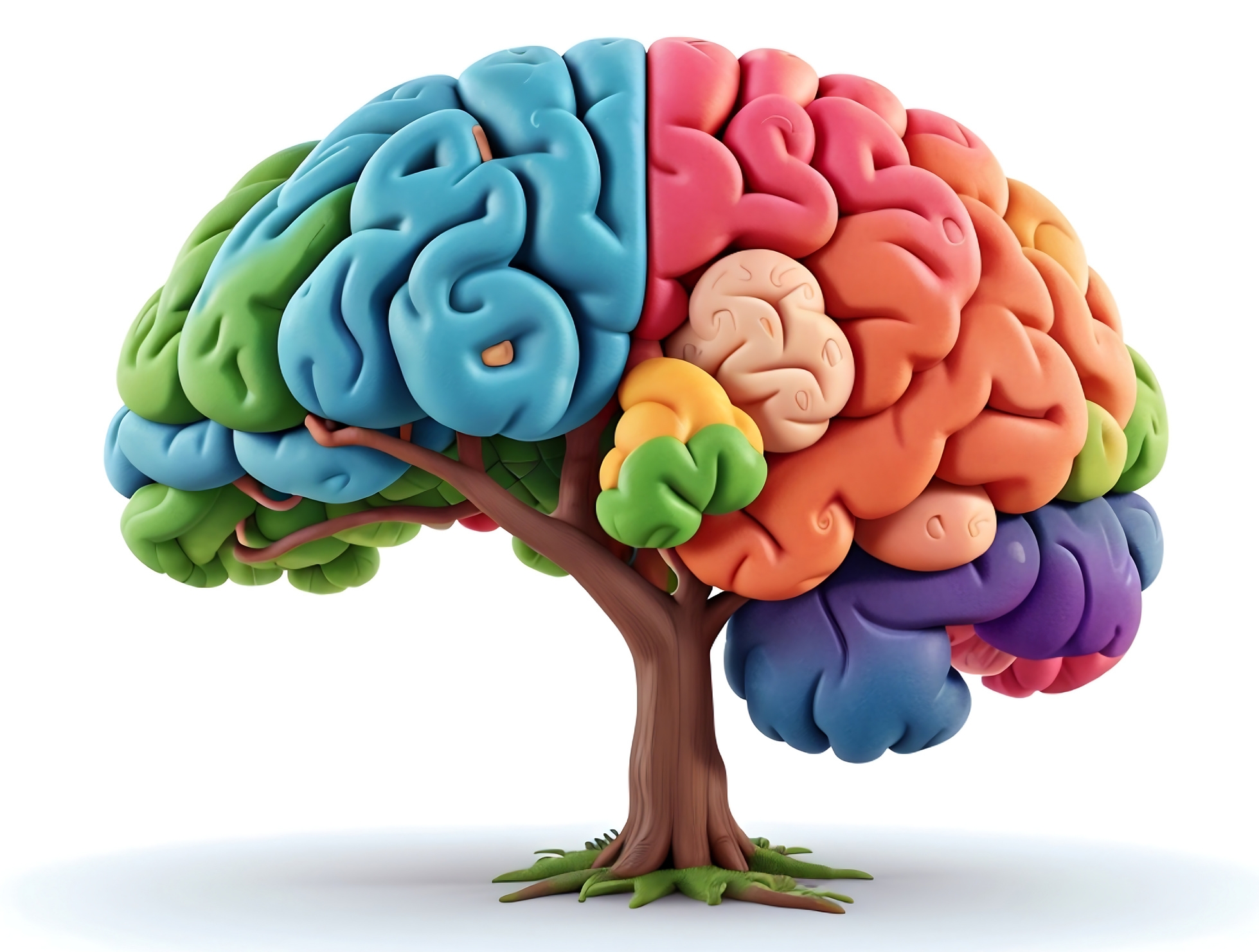
Advances in cognitive neuroscience have profoundly transformed our pedagogical approaches. They elucidate the actual learning mechanisms of children, how their brains process information, and the factors that foster sustained comprehension.
At 314 International School, we have adopted an innovative educational approach based on the latest scientific discoveries about how children's brains work. Our goal is to make learning more effective, fluid, and lasting.
1. Children have limited attention spans: they need to learn through movement.
Children are not designed to sit still for long periods of time. Movement stimulates neural connections, improves concentration, and facilitates memorization. That's why our flexible classes and varied activities alternate between hands-on activities, movement, seated work, exploration, and active mini-breaks. This dynamic really supports attention and understanding.
2. Mistakes are a driver of learning, not an obstacle.
Neuroscience shows that making mistakes activates key areas of the brain involved in consolidating knowledge. At 314, making mistakes is an integral part of the learning process. We value trial and error, adjustment, and perseverance. Children learn to analyze, understand, and correct their mistakes: an essential skill for their entire school career.
3. Emotions directly influence memory and success.
Children who feel calm, listened to, and supported memorize better. This is a scientific fact. That is why our classrooms are warm, caring, structured, safe, and stable environments. Positive relationships between teachers and students allow children to be bold, express themselves, ask questions, and take initiative.
4. The brain learns best when it manipulates and explores.
By manipulating and exploring, children activate their senses and develop their curiosity. This active approach promotes a deeper understanding of concepts and better retention of information.
At 314, we favor active teaching methods that fully engage our students' intelligence. By manipulating scientific equipment, solving concrete problems, building, observing, experimenting, and using their hands and bodies, they strengthen their neural connections.
Spaced repetition is at the heart of our teaching approach. It consists of regularly revisiting essential concepts in different forms: workshops, games, challenges, mini-projects, written records, and concrete situations. This method allows children to build, rebuild, and truly master skills, while avoiding cognitive overload.
Our classes are guided by neuroscience. This approach allows our students to develop a deeper understanding, greater autonomy, a real ability to reason, authentic confidence, a lasting memory, a taste for effort and research, and a curiosity that is nourished on a daily basis. In short, we respect children and promote their harmonious and rapid development.
27 rue Jean Rostand
91400 ORSAY
+33 (0) 1 59 04 11 94
contact@314internationalschool.fr